

No products in the cart.
Fancy Naqab
Showing all 9 results
- Party Wear abayas
Women’s Imported Nida Fabric Embroidered Abaya – Olive Green
Olive Green Abaya is designed for reliable performance and long-lasting use. It is suitable for users looking for quality, durability, and value.
- High-quality construction
- Easy to wear
- Reliable fit
- Long-lasting wear
- Suitable for multiple occasions
Order today and enjoy a dependable product.
SKU: FN-Nida-Nakaab-2166 - Party Wear abayas
Women’s Imported Nida Fabric Embroidered Abaya – navy blue
Women’s Imported Nida Fabric Embroidered Abaya – navy blue is a stylish and durable abaya designed for reliable performance and long-lasting use.
- High-quality embroidered design
- Easy to wear
- Soft and comfortable fabric
- Long-lasting durability
- Suitable for casual wear
Order today and enjoy a dependable and stylish product.
SKU: FN-Nida-Nakaab-2167 - Party Wear abayas
Fancy Georgette Abaya New Design – Modest Dubai Style with Hijab
Fancy Georgette Abaya New Design – Modest Dubai Style with Hijab features a stylish and elegant design, suitable for modest fashion.
- High-quality georgette fabric
- Comfortable and breathable wear
- Modest Dubai style design
- Comes with hijab
Order today and experience the comfort and style of this elegant abaya.
SKU: FN-Georgette-Abaya-7225 - Party Wear abayas
Premium Nida Matte Naqaab with Intricate Embroidery & Hijab Set
Nida Matte Naqaab with Intricate Embroidery & Hijab Set is a premium product designed for reliable performance and long-lasting use.
- High-quality construction
- Easy to use
- Reliable performance
- Long service life
- Suitable for multiple applications
Order today and enjoy a dependable product.
SKU: FN-Nida-Naqaab-7257 - Party Wear abayas
Women’s Imported Nida Fabric Embroidered Abaya
Nida Fabric Embroidered Abaya is designed for reliable performance and long-lasting use. It is suitable for users looking for quality, durability, and value.
- High-quality construction
- Easy to wear
- Reliable fit
- Long-lasting wear
- Suitable for formal occasions
Order today and enjoy a dependable garment.
SKU: FN-Nida-Nakaab-7166 - Party Wear abayas
Premium Georgette Layered Abaya with Hijab – Elegant Dubai Style
Premium Georgette Layered Abaya with Hijab is a stylish and elegant garment designed for reliable performance and long-lasting use. It is suitable for users looking for quality, durability, and value.
- High-quality soft georgette fabric
- Layered design for comfort and style
- Stylish hijab included
- Easy to wear and care for
- Suitable for formal occasions and daily wear
Order today and enjoy a dependable, stylish garment.
SKU: FN-Georgette-Nakaab-7174 - Naqab & Burka
Modern Dubai Style Naqaab Burqa – High Grade Breathable Fabric
Modern Naqaab Burqa – High Grade Breathable Fabric is designed for reliable performance and long-lasting use. It is suitable for users looking for quality, durability, and value.
- High-quality construction
- Easy to use
- Reliable performance
- Long service life
- Suitable for multiple applications
Order today and enjoy a dependable product.
SKU: FN-Mixed-Mixed-7227 - Naqab & Burka
Designer Dual-Tone Naqaab Burqa with Matching Hijab Set
Dual-Tone Naqaab Burqa with Matching Hijab Set is designed for stylish and reliable wear. It is suitable for users looking for quality and value.
- High-quality construction
- Comfortable to wear
- Easy to use
- Long-lasting
- Suitable for casual wear
Order today and enjoy a dependable and stylish product.
SKU: FN-Mixed-Naqaab-7226 - Party Wear abayas
Party Wear Georgette Designer Abaya with Matching Hijab Set
Party Wear Georgette Designer Abaya with Matching Hijab Set is a stylish and elegant garment designed for special occasions. It is suitable for users looking for quality, durability, and value.
- High-quality georgette fabric
- Designer abaya with intricate details
- Matching hijab set for complete look
- Easy to wear and style
Order today and make a stylish statement.
SKU: FN-Georgette-Naqaab-7177
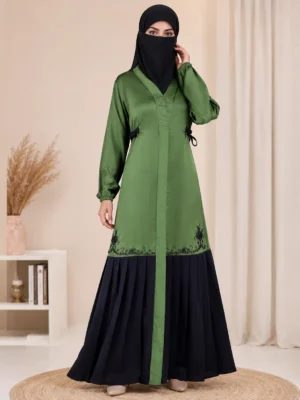
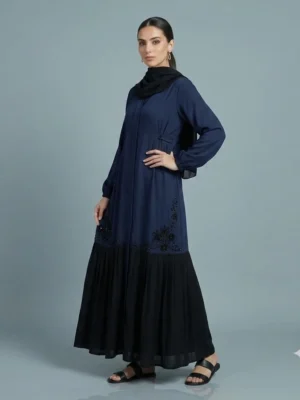
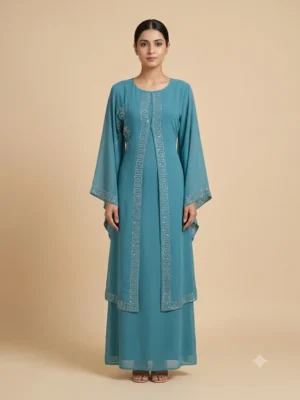
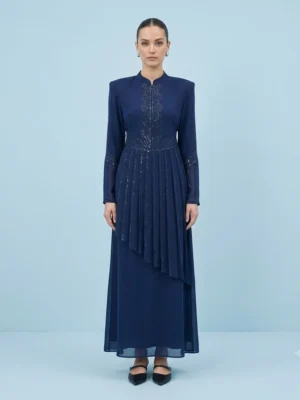
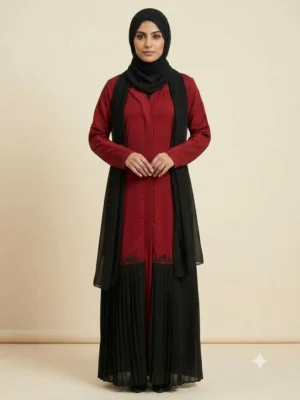
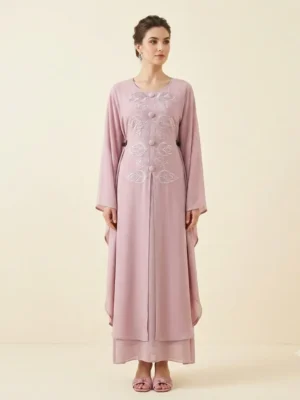
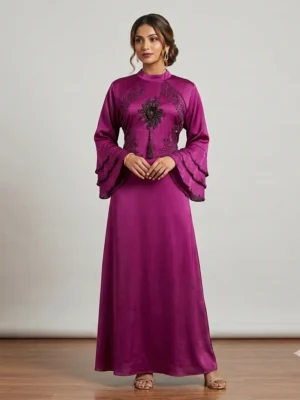
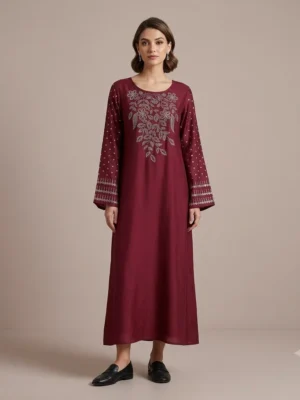
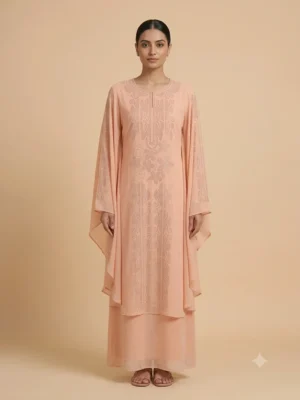
Table of Contents
- What is a Fancy Naqab?
- Types of Fancy Naqabs
- Fabric and Material Guide
- How to Choose the Right Fancy Naqab
- Styling Your Fancy Naqab
- Care and Maintenance
- Frequently Asked Questions
What is a Fancy Naqab?
A fancy naqab is a face veil that combines modesty with decorative detail. While a basic naqab focuses on simple coverage, a fancy naqab adds elements such as embroidery, lace trims, stone work, sequins or layered cuts. These details make it suitable for weddings, festive occasions and parties, while still providing the coverage and ease of wear you expect. It works as a finishing piece that can pull an entire outfit together.
Types of Fancy Naqabs
By Design
- Embroidered Naqabs: Feature thread work, often in floral or geometric motifs. The embroidery may run along the border or spread across the veil, with density varying from piece to piece.
- Lace Naqabs: Use lace either as a border or as the main fabric. Lace can match the base layer or introduce a contrasting texture.
- Stone Work & Sequins Naqabs: Carry small stones, crystals or sequins that catch light. These are commonly picked for evening events and wedding functions.
- Layered & Multi-Layer Naqabs: Built with two or three layers that create depth and allow adjustable coverage. Contrasting inner and outer layers are a frequent design choice.
- Printed & Dyed Naqabs: Bring in subtle digital prints or tie-dye effects. They add visual interest without heavy embellishment and fit semi-formal settings well.
By Coverage Style
- Half-Cover Naqab: Sits over the lower half of the face, leaving the eyes and forehead visible. Its lightweight feel makes it easy to wear with glasses.
- Full-Cover Naqab: May extend to cover the forehead and can include an attached headband or cap. The decorative details stay visible around the eye opening, though the exact coverage depends on the individual design.
- Adjustable Naqab: Includes ties, elastic bands or adjustable straps that let you control how snug or relaxed the fit feels.
Fabric and Material Guide
Fabric affects how a naqab falls, breathes and holds its embellishments. The table below gives a general overview. The actual behaviour of any piece depends on its specific weave, thickness and construction.
| Fabric | Breathability | Look & Drape | Often Chosen For | Typical Care Approach |
|---|---|---|---|---|
| Cotton | Generally high | Soft, matte, natural fall | Daily wear, warm weather | Gentle hand wash |
| Chiffon | Generally good | Sheer, flowy, graceful drape | Party wear, layered styles | Hand wash cold |
| Georgette | Generally good | Lightweight, slightly crinkled texture | Formal occasions, embroidered pieces | Hand wash or dry clean |
| Net | Generally good | Structured, holds shape well | Embellished designs, lace-trimmed styles | Hand wash carefully |
| Lace | Moderate | Delicate, decorative texture | Weddings, festive events | Hand wash gently or dry clean |
Cotton and net tend to allow steady air circulation, which can be helpful in warmer climates. Chiffon and georgette give a fluid, dressier silhouette, while lace is valued mainly for its ornamental look. Reviewing the specific product details will give you a clearer idea of how a particular naqab performs.
How to Choose the Right Fancy Naqab
A few practical considerations can make your choice easier.
- Comfort & Fit: An adjustable strap or soft elastic that sits securely without pinching is usually the most comfortable option. The eye opening should align naturally with your eyes, and the fabric should not press uncomfortably against the nose. Product-specific fit notes, where available, can guide you further.
- Occasion: For everyday errands or office wear, lightweight cotton or printed naqabs are often practical. For mehndi, receptions or Eid gatherings, embroidered, stone work or lace designs tend to suit the celebratory mood.
- Face Shape: Some wearers find that multi-layer naqabs with vertical design lines complement rounder face shapes, while softer, flowy fabrics like chiffon can pair nicely with angular features. Personal preference is as important as any guideline.
- Visibility & Breathability: Sheer chiffon and net generally allow reasonable peripheral vision while maintaining coverage. Multi-layer styles give you the flexibility to lift one layer when more visibility is needed.
- Colour Coordination: Matching the naqab with your outfit creates a unified look, while a contrasting shade can serve as a statement accent. Neutral shades such as black, beige and maroon tend to coordinate with a wide range of ensembles.
Styling Your Fancy Naqab
A well-chosen naqab can lift a modest outfit. Pairing a heavily embroidered naqab with a plain suit lets the veil become the focal point. Coordinating lace details on the naqab with the hem of a dupatta creates a connected, intentional look. A floral printed naqab adds a lively accent to a monochrome ensemble.
Complete your outfit by coordinating across categories. The dupatta collection includes pieces that can match or contrast with your chosen naqab. Readymade suits offer a coordinated base that pairs easily with a fancy naqab. If you prefer to create a tailored set, browse the unstitched dress material range to stitch an outfit that complements your veil.
Care and Maintenance
Fancy naqabs, especially those with embroidery and stone work, respond best to careful handling. Always follow the care instructions on the product label, as the safest method depends on the specific materials and embellishments. The points below apply to many embellished veils.
- For most fancy naqabs, hand washing in cold water with a mild detergent is suitable, provided the care label does not advise otherwise. Avoid wringing or twisting the fabric.
- If a naqab carries dense embellishments, placing it inside a mesh laundry bag during hand washing can help reduce the risk of snagging. For pieces where the care label recommends dry cleaning, opt for professional cleaning to protect delicate work.
- Dry in shade away from direct sunlight. Prolonged sun exposure can cause colour fading and may weaken delicate fibres over time.
- Store flat or loosely folded in a drawer. Placing a layer of soft cloth between folds helps protect decorative elements from snagging.
- Apply perfume before wearing and let it dry. Direct contact between fragrance and fabric may cause discolouration on certain materials.
Frequently Asked Questions
What is the difference between a fancy naqab and a regular naqab?
A regular naqab is usually plain, single-layer, and built for everyday practicality. A fancy naqab includes decorative elements such as embroidery, lace, sequins or multiple layers, making it suitable for special occasions as well as daily wear with added detail.
Which fabric works well for a fancy naqab in hot and humid weather?
Cotton and net are generally among the more breathable options, allowing steady air circulation during extended wear. Cotton offers a soft, natural feel, while net holds its structure well even in humid conditions. Lightweight chiffon in a single-layer style can also be a comfortable choice depending on the weave.
How do I keep the naqab from slipping during wear?
Naqabs with an adjustable tie-back or a soft elastic band tend to stay in place more reliably. The strap should sit snugly without being overly tight. Some designs include a silicone grip strip near the nose area for added stability. Trying different closure styles can help you find the most secure option for your face shape.
Can I wear glasses with a fancy naqab?
Yes. Half-cover naqabs and styles with a wider eye slit are often more comfortable with glasses. Choosing a naqab that does not press firmly against the bridge of the nose helps, and designs with an adjustable nose piece or a lightweight structure can make extended wear easier.
How should I wash and store a fancy naqab to protect its embellishments?
Gentle hand washing in cold water with mild soap is suitable for many fancy naqabs, provided the care label does not advise otherwise. Take care to avoid scrubbing directly over embellished areas. For heavily decorated pieces, dry cleaning may be a safer option. Store the naqab flat, separated by tissue paper, and keep it away from moisture and direct light. Ensuring the naqab is completely dry before storing helps prevent mildew.