
No products in the cart.
Unstitched Dress Material
Showing 1–24 of 62 results
- Party Wear Collection
Aqua Green Unstitched Suit Set with Dupatta
Aqua Green Unstitched Suit Set with Dupatta is a stylish and versatile outfit for women, perfect for special occasions. It features a unique combination of style and comfort.
- Stylish and elegant design
- Comfortable to wear
- Easy to style with dupatta
- Perfect for formal events and parties
- Can be customized to fit individual preferences
Order today and make a fashionable statement.
SKU: US-DressMaterial-0122 - Cotton Printed
Black & Red Batik Print Cotton Printed Unstitched Suit
Black & Red Batik Print Cotton Printed Unstitched Suit is a stylish and durable garment. It is suitable for users looking for quality, durability, and value.
- High-quality fabric
- Unique batik print design
- Long-lasting and comfortable wear
- Easy care and maintenance
- Suitable for formal and casual occasions
Order today and enjoy a stylish and reliable garment.
SKU: US-CottonPrinted-0001 - Party Wear Collection
Blue Chanderi Unstitched Dress Material with White Embroidered Dupatta
Blue Chanderi Unstitched Dress Material with White Embroidered Dupatta is a stylish and elegant choice for any occasion. It features intricate white embroidery that adds a touch of sophistication.
- Exquisite embroidery work
- Rich blue Chanderi fabric
- Unstitched dress material with matching dupatta
- Perfect for weddings, festivals, and formal events
- Long-lasting and easy to maintain
Order now and experience the beauty of traditional craftsmanship.
SKU: US-DressMaterial-0126 - PC Cotton Suits, Zari Work Collection
Dark Bottle Green Embroidered Unstitched Suit Set
Dark Bottle Green Embroidered Unstitched Suit Set is a stylish and elegant outfit designed for reliable performance and long-lasting use.
- High-quality fabric
- Traditional embroidery work
- Unstitched design for easy alterations
- Premium quality for special occasions
- Perfect for formal events and parties
Order today and experience the luxury of this exquisite suit set.
SKU: US-DressMaterial-0118 - PC Cotton Suits, Zari Work Collection
Dark Forest Green Embroidered Unstitched Suit Set
Dark Bottle Green Embroidered Unstitched Suit Set is a stylish and elegant outfit designed for reliable performance and long-lasting use.
- High-quality fabric
- Traditional embroidery work
- Unstitched design for easy alterations
- Premium quality for special occasions
- Perfect for formal events and parties
Order today and experience the luxury of this exquisite suit set.
SKU: US-DressMaterial-0119 - PC Cotton Suits, Zari Work Collection
Deep Purple Embroidered Unstitched Suit Set
Purple Embroidered Unstitched Suit Set is designed for reliable performance and long-lasting use. It is suitable for users looking for quality, durability, and value.
- High-quality construction
- Easy to use
- Reliable performance
- Long service life
- Suitable for multiple applications
Order today and enjoy a dependable product.
SKU: US-DressMaterial-0120 - Unstitched Dress Material, Zari Work Collection, Cotton Suits
Designer Red Shining Cotton Salwar Suit with Zari Work
 Unstitched Dress Material, Zari Work Collection, Cotton Suits
Designer Red Shining Cotton Salwar Suit with Zari Work
Designer Red Shining Cotton Salwar Suit with Zari Work is a fashionable outfit designed for women. This stunning dress features intricate zari work and is suitable for special occasions.
- Traditional Indian design
- Red cotton fabric for a vibrant look
- Intricate zari work for elegance
- Easy to wear and maintain
- Perfect for festivals and weddings
Order today and add a touch of elegance to your wardrobe.
SKU: US-DressMaterial-9034 - PC Cotton Suits, Zari Work Collection
Dusty Maroon Embroidered Unstitched Suit Set
Dusty Maroon Embroidered Unstitched Suit Set is a stylish and functional garment designed for reliable performance.
- Embroidered design for added elegance
- High-quality fabric construction
- Easy care and maintenance
- Perfect for formal and semi-formal occasions
- Suitable for users with different preferences
Order today and get a stylish and dependable suit set.
SKU: US-DressMaterial-0121 - Cotton Suits
Green Cotton Unstitched Dress Material with Maroon Dupatta and Rayon Bottom
Green Cotton Unstitched Dress Material with Maroon Dupatta and Rayon Bottom is a stylish and reliable option. It is suitable for users looking for quality, durability, and value.
- High-quality fabric
- Stylish design
- Easy to wear
- Long-lasting wear
- Pairs well with multiple occasions
Order today and enjoy a stylish and dependable product.
SKU: US-DressMaterial-0127 - Unstitched Dress Material, Party Wear Collection
Kali Design Trendy Jam Cotton Suit with Stitched Garara Sarara-pink
Unstitched Dress Material, Party Wear CollectionKali Design Trendy Jam Cotton Suit with Stitched Garara Sarara-pink
Trendy Jam Cotton Suit with Stitched Garara Sarara-pink is a stylish and durable outfit. It is suitable for users looking for quality, durability, and value.
- High-quality construction
- Easy to wear
- Long-lasting
- Suitable for formal and casual events
Order today and enjoy a stylish and dependable product.
SKU: US-JamCotton-KaliDesign-7741 - Unstitched Dress Material, Party Wear Collection
Kali Design Trendy Jam Cotton Suit with Stitched Garara Sarara-purple
Unstitched Dress Material, Party Wear CollectionKali Design Trendy Jam Cotton Suit with Stitched Garara Sarara-purple
Premium Jam Cotton Suit with Stitched Garara Sarara-purple is designed for reliable performance and long-lasting use. It is suitable for users looking for quality, durability, and value.
- High-quality construction
- Easy to use
- Reliable performance
- Long service life
- Suitable for multiple applications
Order today and enjoy a dependable product.
SKU: US-JamCotton-KaliDesign-7740 - Cotton Printed
Magenta Pink Teal Blue Cotton Printed Unstitched Suit Set with cotton Dupatta
Magenta Pink Teal Blue Cotton Printed Unstitched Suit Set with cotton Dupatta is an elegant and stylish outfit for special occasions. It features vibrant prints and a comfortable design.
- Vibrant magenta pink teal blue prints
- Soft and lightweight cotton fabric
- Comfortable and stylish design
- Cotton dupatta for added elegance
- Perfect for parties, weddings, and formal events
Order now and add a touch of elegance to your wardrobe.
SKU: US-CottonPrinted-0003 - Party Wear Collection, Pakistani Style Suits
Mint Green Chikankari Style Cotton Thread Work Unstitched Dress Material with Lace Border
Party Wear Collection, Pakistani Style SuitsMint Green Chikankari Style Cotton Thread Work Unstitched Dress Material with Lace Border
Mint Green Chikankari Style Cotton Thread Work Unstitched Dress Material with Lace Border is a beautiful, elegant attire crafted with intricate thread work and lace border details.
- Intricate thread work design
- Lace border for a touch of elegance
- High-quality cotton fabric
- Unstitched for easy alteration
- Perfect for special occasions
Order today and add a touch of elegance to your wardrobe.
SKU: US-DressMaterial-0130 - Cotton Printed
Navy Blue & Mustard Yellow Bandhani cotton printed Suit with cotton Dupatta
Navy Blue & Mustard Yellow Bandhani cotton printed Suit with cotton Dupatta is a stylish and durable outfit designed for various occasions. It combines traditional craftsmanship with modern style.
- High-quality cotton fabric
- Unique Bandhani print design
- Soft, breathable, and comfortable to wear
- Perfect for casual or formal events
Make a statement with this elegant and timeless outfit.
SKU: US-CottonPrinted-0004 - Cotton Printed
Navy Blue & Pink Paisley Cotton Printed Unstitched Suit
Navy Blue & Pink Paisley Cotton Printed Unstitched Suit is a stylish and durable garment made from high-quality cotton. It features a beautiful paisley print and is perfect for formal occasions.
- High-quality cotton material
- Unique paisley print
- Formal wear option
Order today and enjoy a fashionable and long-lasting suit.
SKU: US-CottonPrinted-0002 - Party Wear Collection
Peach Chanderi Unstitched Dress Material with White Embroidered Dupatta
Peach Chanderi Unstitched Dress Material with White Embroidered Dupatta offers a stylish and elegant look. It is suitable for users looking for quality and value.
- Soft and breathable fabric
- Beautiful white embroidered dupatta
- Peach-colored chanderi fabric for a unique look
- Elegant and stylish design
- Perfect for special occasions or daily wear
Order today and add a touch of elegance to your wardrobe.
SKU: US-DressMaterial-0125 - Party Wear Collection
Peach Embroidered Unstitched Dress Material with White Dupatta
Peach Embroidered Unstitched Dress Material with White Dupatta is a stunning piece of clothing, perfect for special occasions. It features beautiful embroidery and is offered with a matching white dupatta.
- Peach-colored fabric with intricate embroidery
- Unstitched dress material
- White dupatta included
- Perfect for weddings, festivals, and social events
Order now and make a stylish statement.
SKU: US-DressMaterial-0123 - Glace Cotton Suits
Peach Glace Cotton Unstitched Dress Material with Heavy Neck Embroidery
Peach Glace Cotton Unstitched Dress Material with Heavy Neck Embroidery is a stylish and durable choice for special occasions. It features intricate heavy neck embroidery, making it a perfect pick for users looking for quality and value.
- Soft and breathable peach glace cotton fabric
- Heavy neck embroidery for a stylish look
- Unstitched design for easy customization
Order now and make a fashion statement with this elegant dress material.
SKU: US-DressMaterial-0133 - Party Wear Collection
Peach Party Wear Unstitched Dress Material with Embroidered Net Dupatta
Peach Party Wear Unstitched Dress Material with Embroidered Net Dupatta is a stylish and elegant outfit for special occasions. It features intricate embroidery and a net dupatta for a touch of sophistication.
- Beautiful embroidered net dupatta
- High-quality unstitched dress material
- Peach colored fabric for a vibrant look
- Perfect for parties and social gatherings
Order now and add a touch of elegance to your wardrobe.
SKU: US-DressMaterial-8863 - Cotton Printed
Pink Batik Print Cotton Printed Suit
pink batik print cotton printed suit is designed for reliable performance and long-lasting use. It is suitable for users looking for quality, durability, and value.
- High-quality construction
- Easy to use
- Reliable performance
- Long service life
- Suitable for office wear or casual occasions
Order today and enjoy a dependable product.
SKU: US-CottonPrinted-0005 - Party Wear Collection, Pakistani Style Suits
Pink Chikankari Style Cotton Thread Work Unstitched Dress Material with Lace Border
Party Wear Collection, Pakistani Style SuitsPink Chikankari Style Cotton Thread Work Unstitched Dress Material with Lace Border
Pink Chikankari Style Cotton Thread Work Unstitched Dress Material with Lace Border is a beautifully crafted ensemble designed to provide a stylish and elegant look. It is suitable for users looking for quality, durability, and value.
- Exquisite Chikankari thread work design
- Soft and breathable cotton fabric
- Lace border for a touch of elegance
- Perfect for special occasions and parties
Order today and experience the beauty of this stunning dress material.
SKU: US-DressMaterial-0129 - Party Wear Collection
Pink Embroidered Unstitched Dress Material with White Dupatta
Pink Embroidered Unstitched Dress Material with White Dupatta is a stylish and elegant outfit option. It is suitable for users looking for quality and value.
- Beautiful pink embroidered design
- Stylish white dupatta for a complete look
- Unstitched dress material for ease of wear
Order today and enjoy a classic fashion statement.
SKU: US-DressMaterial-0124 - Party Wear Collection, Cotton Suits
Premium Pink Cotton Unstitched Dress Material with Designer Dupatta
Party Wear Collection, Cotton SuitsPremium Pink Cotton Unstitched Dress Material with Designer Dupatta
Premium Pink Cotton Unstitched Dress Material with Designer Dupatta is designed for reliable performance and long-lasting use. It is suitable for users looking for quality, durability, and value.
- High-quality cotton fabric
- Soft and breathable texture
- Easy to care for
- Timeless design with designer dupatta
- Suitable for casual and formal occasions
Order today and enjoy a dependable product.
SKU: US-DressMaterial-0117
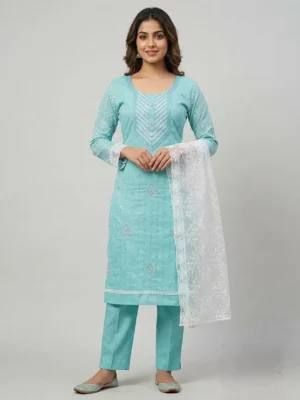
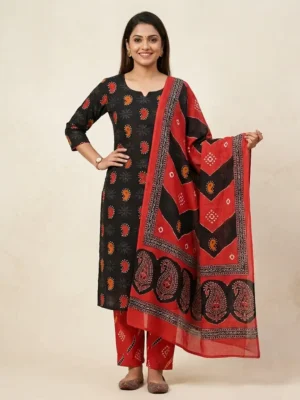
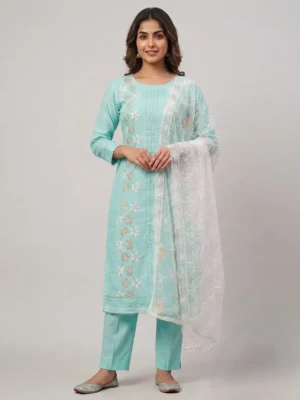
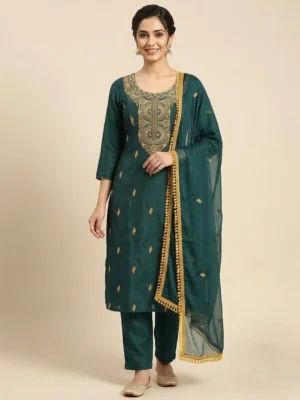
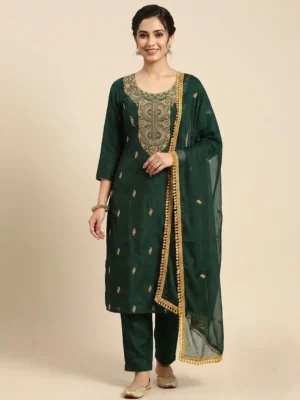

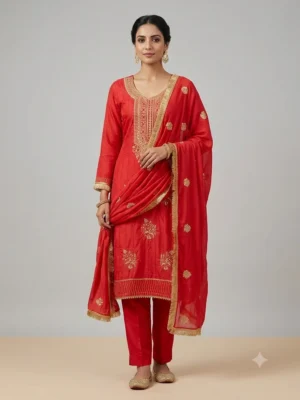


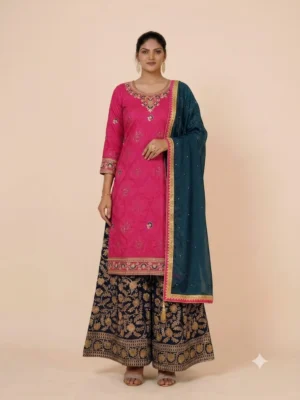
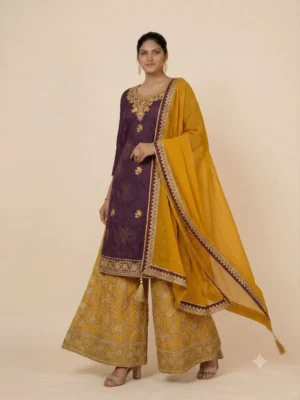
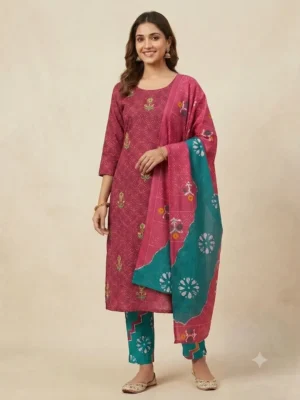
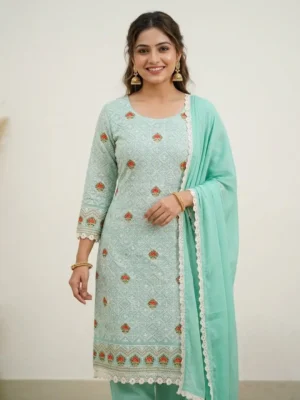
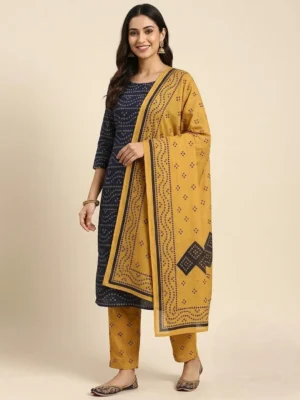
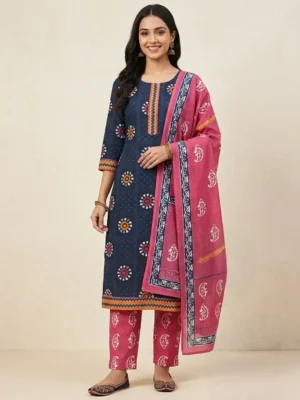


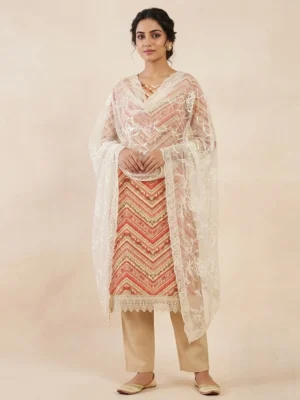
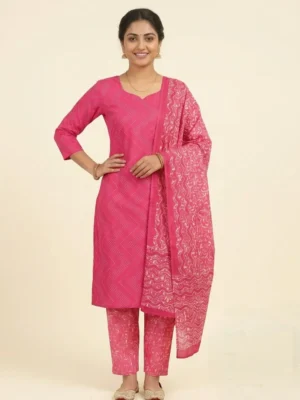
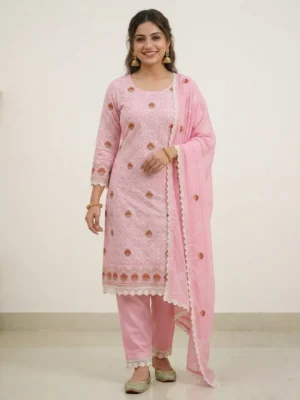
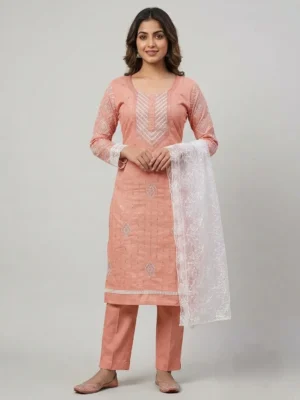
Table of Contents
- What Exactly Is Unstitched Dress Material?
- Why Indian Women Overwhelmingly Prefer Unstitched Fabric Over Readymade
- The Undeniable Benefits of Choosing Unstitched Dress Material for Women
- A Comprehensive Buying Guide for Your Perfect Suit Material
- Understanding the Rich Landscape of Fabric Types
- Choosing Dress Material by Season for Year-Round Comfort
- Occasion-Based Selection for Every Aspect of Your Life
- Fabric Comparison for Informed Decision-Making
- Colour Selection Guidance for Flattering Results
- Fashion and Styling Tips for Your Stitched Suit
- Essential Maintenance and Care Instructions
- Why We Are Your Trusted Source for Dress Material Online
- Shipping, Delivery, and the Unboxing Experience
- Frequently Asked Questions About Unstitched Dress Material
- Begin Your Creative Journey with Us
What Exactly Is Unstitched Dress Material?
For those new to the world of ethnic fashion, unstitched dress material is a complete fabric set intended to be tailored into a traditional Indian outfit. Typically, a standard unstitched salwar suit set includes fabric for the kameez or kurti (the top), fabric for the salwar, churidar, or palazzo (the bottom), and a matching or contrasting dupatta. The lengths vary — a suit piece set generally provides around 2.5 metres for the top and 2 to 2.5 metres for the bottom, while a lehenga set might offer 4 to 5 metres for the skirt portion.
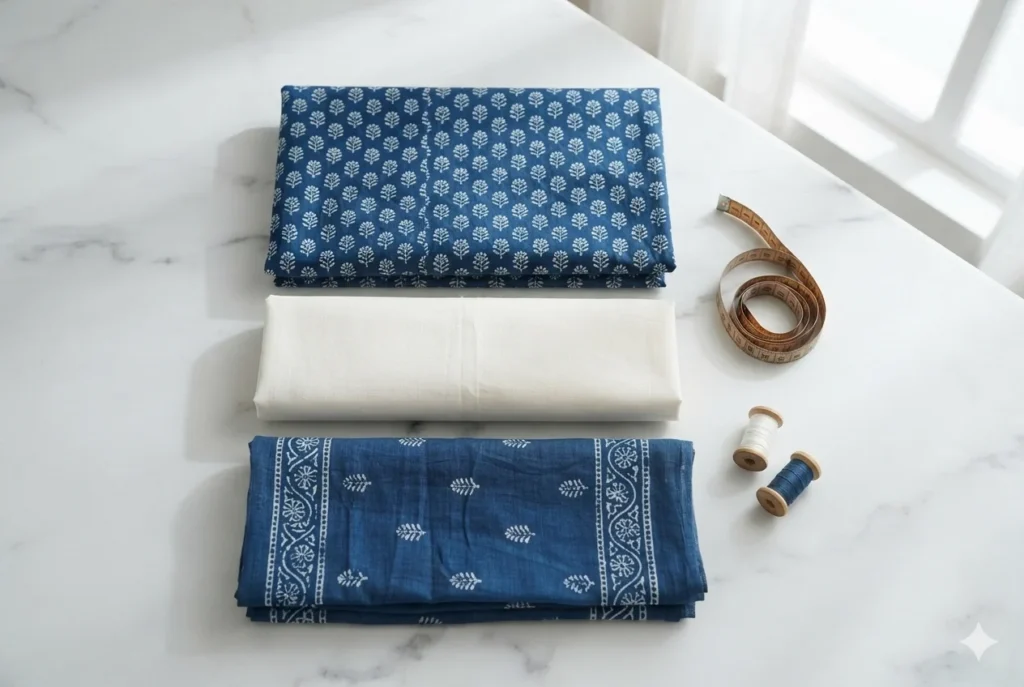
The beauty lies in the blank canvas. You decide the neckline, the sleeve length, the waist height, the flare, the embroidery placement, and every tiny detail that makes a garment feel like your own. This is clothing that reflects your personality rather than a factory template. Whether you are browsing for a simple cotton suit piece or an elaborate ethnic dress material set, the creative control remains entirely yours.
Why Indian Women Overwhelmingly Prefer Unstitched Fabric Over Readymade
The Indian relationship with tailoring runs deep. Generations of women have sat with their local tailor, discussing cuts and falls, selecting matching threads and buttons, and waiting with anticipation for the final fitting. That tradition remains strong even in the age of fast fashion. The reason is practical and emotional.
Physically, no two bodies are alike. A readymade medium size might fit the bust but gap at the waist, or fit the shoulders but pull across the hips. Unstitched dress material eliminates this compromise entirely. Emotionally, there is a profound satisfaction in wearing something you helped create. When someone compliments your suit, you can say, “I chose the fabric and designed it myself.” That pride cannot be replicated by off-the-rack clothing.
Additionally, unstitched fabric offers superior cost efficiency. You pay for quality fabric without the markup of manufacturing labour, making premium textiles accessible at more reasonable price points. Our entire ladies dress material collection is built around this understanding — that women want quality, choice, and value combined in one package.
The Undeniable Benefits of Choosing Women’s Dress Material
Customization stands as the most obvious advantage, but the benefits run far deeper. When you purchase dress material online, you gain complete control over your wardrobe in ways readymade clothing simply cannot offer.
Consider the fit. Tailors can adjust for sloping shoulders, longer arms, a shorter torso, or any other unique proportion that standard sizing ignores. Consider the design. You can mix necklines from one inspiration image with sleeve styles from another, creating something genuinely original. Consider the fabric utilisation. Leftover material from shortening a kameez can become a potli bag, a contrast yoke on a plain kurta, or patchwork on a child’s outfit. There is almost zero waste.
Consider the occasion flexibility. The same embroidered dress material can be stitched conservatively for a family puja or with contemporary cuts for a college function. The fabric adapts as your life changes. These advantages explain why salwar kameez material remains the preferred choice for Indian women across all age groups, from college students purchasing their first kurti material to grandmothers selecting silk for milestone celebrations.
A Comprehensive Buying Guide for Your Perfect Suit Material
Navigating the extensive world of salwar suit material online can feel overwhelming when you first begin. The key is to approach the selection methodically, starting with purpose and working outward to specifics.
Before browsing, ask yourself three questions. Where will you wear this outfit? The answer determines fabric weight, embellishment level, and colour appropriateness. What season will you primarily wear it? This guides your choice between breathable cotton and warmer blends. What is your comfort priority? Some women prioritise drape and flow, while others need structure and crispness.
Once you answer these foundational questions, the specific fabric, print type, and design elements become much easier to narrow down. We have structured our entire unstitched dress material catalogue to support this decision-making process, with clear fabric information, detailed imagery, and honest product descriptions that help you choose confidently without touching the fabric first.
Understanding the Rich Landscape of Fabric Types
Fabric is the soul of any garment. The same design printed on cotton versus georgette creates two entirely different outfits with distinct personalities, drapes, and care requirements. Building your fabric knowledge transforms you from a casual shopper into an informed buyer who selects suit material with purpose and satisfaction. The Indian textile tradition offers an extraordinary range, each with specific characteristics suited to different needs, climates, and occasions. Understanding these differences ensures your tailored suit feels exactly how you imagined.

Cotton Dress Material: The Breathable Everyday Essential
Cotton remains the undisputed champion of daily wear across India, and for excellent reason. The natural fibre allows air to circulate freely, wicking moisture away from the skin and keeping the body cool even during peak summer humidity. When you select cotton dress material from a trusted source, you receive fabric that has been properly processed to minimise shrinkage after the first wash — a critical quality marker that separates premium cotton from ordinary.
Our Cotton Printed Dress Material collection features hand-block prints, screen prints, and digital prints on pure cotton bases that become softer with every wash. The fibre is hypoallergenic, making it suitable for sensitive skin that reacts to synthetic blends. Cotton suits work beautifully for morning routines, school runs, market visits, casual office environments, and relaxed family gatherings. They pair effortlessly with minimal jewellery and Kolhapuri chappals for an authentically Indian casual look that prioritises comfort without sacrificing style.
Printed Dress Material: Where Artistry Meets Fabric
Printing technology has revolutionised what is possible on fabric surfaces. Today’s printed dress material encompasses everything from traditional hand-block prints that carry centuries of artisan heritage to high-definition digital prints reproducing intricate artwork with stunning clarity.
The print defines the personality of the suit. Small repetitive motifs create subtle, sophisticated textures appropriate for office environments. Bold, oversized florals make confident statements for day events and lunches. Geometric patterns introduce contemporary edge, while traditional paisleys and mandalas connect to Indian cultural roots. Our printed dress material undergoes rigorous colour-fastness testing because nothing disappoints more than a beautiful print that bleeds during its first wash. We select printing partners who use AZO-free dyes and maintain consistent colour quality across production batches. When browsing printed suit material online, always examine the print placement and repeat pattern — well-designed prints align properly at seams, a detail that elevates the finished garment from homemade to professionally tailored.
Designer Dress Material: Curated Elegance for Special Moments
Designer dress material occupies the sweet space between everyday basics and heavy bridal wear. These are thoughtfully curated fabrics where the design work — whether digital prints, subtle embellishments, or textural treatments — has already been expertly composed by design professionals.
Our designer dress material collection solves the common problem of coordination. The top fabric, bottom fabric, and dupatta are designed as a cohesive set with intentional colour pairing, print scaling, and border placement. You do not need to search separately for matching components or worry about whether the dupatta shade truly complements the kameez. Designer dress material suits are ideal for festival celebrations, family functions, pujas, and occasions where you want to look polished and put-together without the weight of heavy embroidery. They strike the balance that modern Indian women increasingly seek — distinctly ethnic, visibly premium, yet comfortable enough to wear through hours of celebration.
Embroidered Dress Material: Thread Work That Tells a Story
Embroidery elevates fabric into art. When you select embroidered dress material, you are choosing a garment that carries hours of skilled handwork or precise machine craftsmanship within its threads. Traditional Indian embroidery forms — chikankari from Lucknow, kantha from Bengal, mirror work from Gujarat, zari from Varanasi — each represent distinct cultural traditions passed through generations of artisans.
Contemporary embroidered dress material might feature these traditional techniques applied to modern silhouettes, or entirely new thread work patterns designed for current fashion sensibilities. The weight of embroidery matters practically. Heavy, dense embroidery creates beautiful structure but adds warmth and weight, making it suitable for evening events and winter celebrations. Lighter embroidery, such as shadow work or delicate chikankari, remains comfortable for daytime wear. Our embroidered dress material is sourced from skilled artisan clusters where embroidery techniques are community traditions. We believe that when you wear an embroidered suit, you should feel not just beautiful, but connected to the hands that created it.
Choosing Dress Material by Season for Year-Round Comfort
India experiences dramatic seasonal variation, and intelligent fabric selection ensures your wardrobe serves you comfortably through every month of the year.
Summer demands lightweight, breathable fabrics in lighter colours. Cotton, cambric, and lightweight rayon excel during hot months because they allow air circulation and absorb perspiration. Loose weaves and lighter thread counts improve ventilation further. Monsoon introduces humidity challenges. Fabrics that dry quickly and resist fungal growth become essential. Cotton remains viable but requires careful drying, while certain rayon blends handle damp conditions well. Avoid heavy embroidery during rainy season as moisture can damage delicate thread work and cause musty odours.
Winter calls for fabrics with thermal retention properties. Silk, wool blends, and heavier georgette provide warmth while maintaining ethnic elegance. Deeper, richer colours naturally suit winter palettes. The seasonal guide below helps visualise the optimal choices.
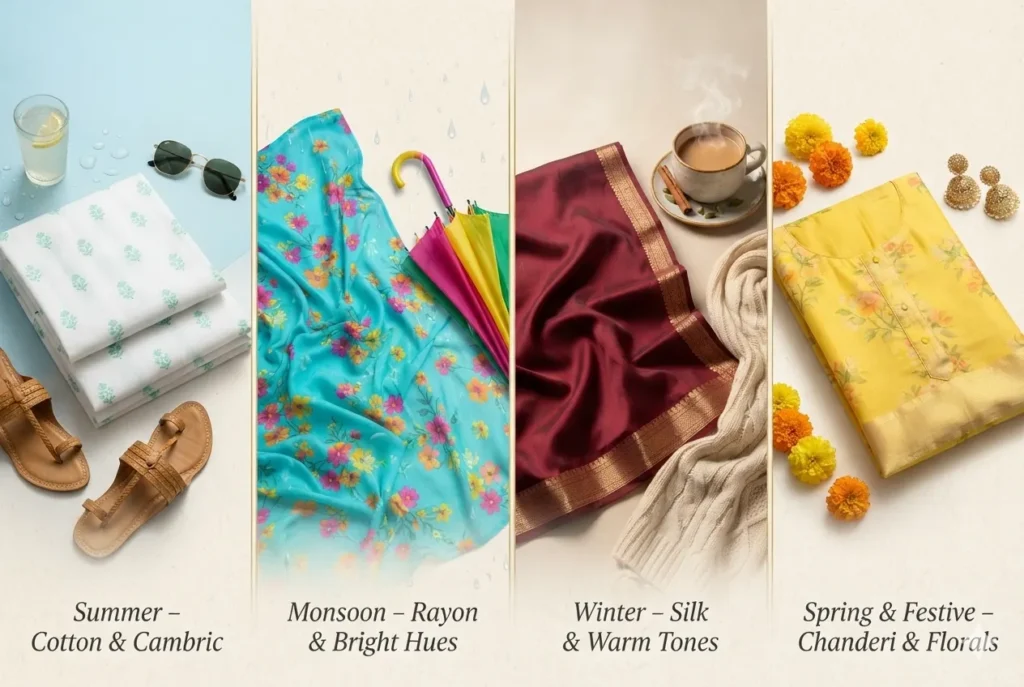
| Season | Recommended Fabrics | Ideal Colours | Styling Tip |
|---|---|---|---|
| Summer | Cotton, Cambric, Muslin, Light Rayon | White, Pastels, Light Blues, Mint | Choose loose, flowing silhouettes for maximum ventilation |
| Monsoon | Cotton, Rayon Blends, Light Georgette | Bright Jewel Tones, Turquoise, Magenta | Opt for shorter kameez lengths to avoid mud splashes |
| Winter | Silk, Heavy Georgette, Chanderi, Wool Blends | Maroon, Mustard, Deep Green, Navy | Layer with a warm shawl in complementary colours |
| Spring/Festive | Chanderi, Light Silk, Cotton Silk Blends | Yellow, Orange, Pink, Floral Prints | Add fresh flower accessories for festive occasions |
Occasion-Based Selection for Every Aspect of Your Life
Different moments call for different expressions of style. Understanding how to match your unstitched dress material to the occasion ensures you always feel appropriately and confidently dressed. The same woman who runs errands in a simple cotton kurti might attend a board meeting in a structured silk suit and later dance at a wedding in an embellished lehenga. Each occasion has its own unspoken dress code, fabric expectations, and styling conventions. Our collection spans the complete spectrum so you can source every outfit from a single trusted platform.
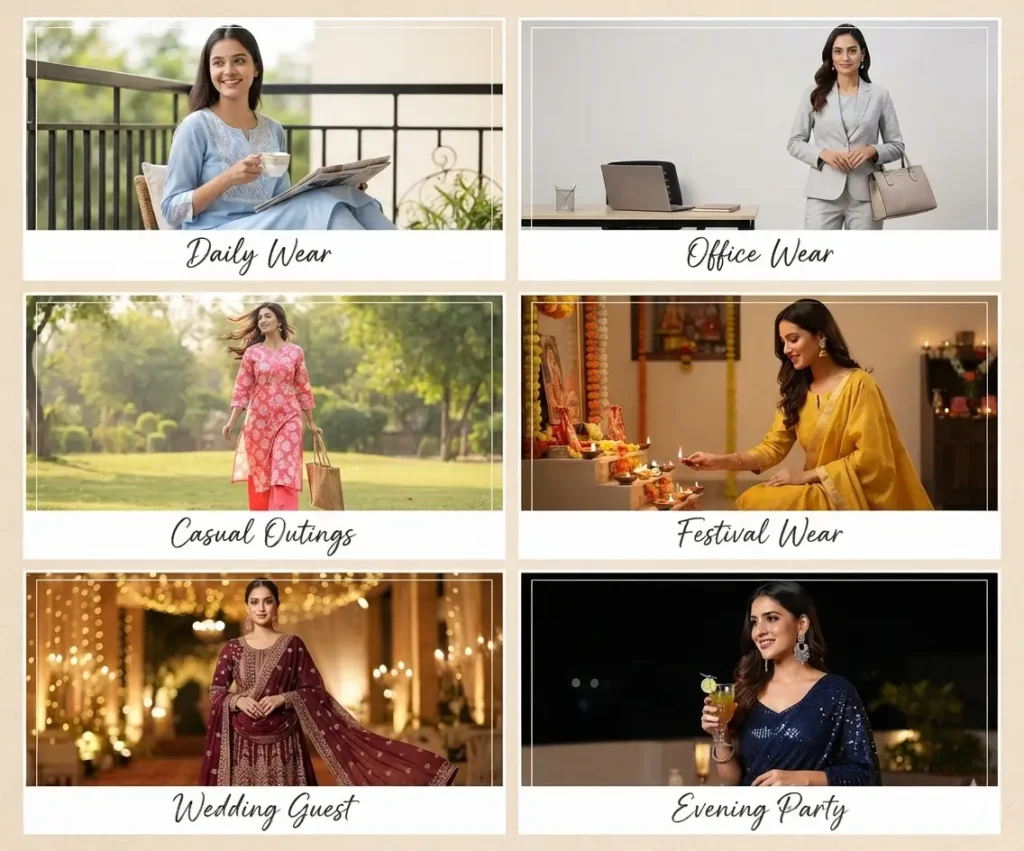
| Occasion | Ideal Fabric | Recommended Embellishment | Colour Direction |
|---|---|---|---|
| Daily Wear | Cotton, Cambric | Minimal or No Embellishment | Subtle Tones, Small Prints |
| Office Wear | Cotton, Linen, Light Silk | Subtle Borders, Minimal Embroidery | Neutrals, Pastels, Muted Tones |
| Casual Outings | Rayon, Printed Cotton | Digital Prints, Block Prints | Brights, Contemporary Patterns |
| Festival Wear | Silk, Chanderi, Georgette | Zari Borders, Resham Work | Traditional Reds, Yellows, Greens |
| Wedding Guest | Silk, Heavy Georgette, Velvet | Heavy Embroidery, Zardozi, Stone Work | Rich Jewel Tones, Metallics |
| Evening Party | Georgette, Chiffon, Satin | Sequins, Mirror Work, Gota Patti | Deep Shades, Shimmer, Contrasts |
Daily Wear Dress Material: Comfort That Lasts All Day
Daily wear demands fabrics that can withstand frequent washing, maintain colour integrity, and provide unrestricted movement through hours of household work, office commutes, or college lectures. Cotton unstitched dress material forms the backbone of daily wear wardrobes because it meets all these criteria naturally.
Our everyday suit material focuses on practical considerations — pre-shrunk processing, colour-fast dyes, and prints that do not crack or peel after repeated laundering. The designs avoid excessive embellishment that would catch on objects or require special care. Instead, the beauty comes from the quality of the fabric itself, the precision of the print, and the thoughtful colour combinations. A well-chosen daily wear dress material set produces a garment you reach for repeatedly, one that feels like a second skin and looks presentable even after dozens of wears. Browse our full range of Cotton Suits for everyday options that balance quality with affordability.
Office Wear Dress Material: Professional Polish with Ethnic Identity
The modern Indian workplace embraces ethnic wear as professional attire when styled appropriately. Office wear suit material requires a specific aesthetic — polished, understated, and competent. Fabrics with natural structure like cotton, linen blends, and matte-finish silks create the crisp silhouettes that convey professionalism.
Prints should be subtle rather than boisterous; think fine stripes, small geometrics, tone-on-tone patterns, or delicate hand-block motifs. Embellishment, if any, should be minimal — a simple border, a neckline embroidery detail, or subtle thread work at the sleeves. Colours lean toward neutrals, muted pastels, and classic shades that project calm competence rather than fashion-forward boldness. Our office-appropriate unstitched dress material offers the polish of Western formality with the comfort and identity of Indian ethnic wear. Pair with structured handbags and closed-toe footwear for a complete professional look that honours both your culture and your career.
Party Wear Dress Material: Celebrate with Confidence
Party occasions grant permission to experiment with bolder aesthetics, richer colours, and more elaborate embellishment. Party wear dress material should capture light, draw attention, and make you feel celebratory the moment you slip it on. Georgette, chiffon, and silk provide the flowing drapes and subtle sheen that elevate party attire beyond everyday clothing.
Embroidery becomes more pronounced, with zari work, sequin detailing, thread work, and mirror embellishments catching the light as you move. Colour palettes shift to deeper, more dramatic tones — wines, navys, emerald greens, and rich purples that photograph beautifully under event lighting. Dupatta fabrics become lighter and more decorative, often featuring bordered edges or all-over embellishment that frames the entire ensemble. Our party wear dress material collection ensures you arrive at every celebration feeling appropriately dressed and genuinely excited about your outfit.
Wedding and Festival Wear: Heirloom-Worthy Dress Material
Wedding wear represents the pinnacle of ethnic fashion — these are garments meant to mark significant life moments and often remain in wardrobes as cherished memories for years. Festival wear similarly calls for special fabrics that honour the significance of celebration.
For these occasions, fabric selection leans toward silk, heavy brocade, velvet, and richly embellished georgette that carry substantial weight and undeniable presence. Embroidery techniques become more elaborate — zardozi, resham, stone work, and intricate chikankari that might take artisans weeks to complete. Dupatta fabrics receive equal attention, often being the most decorative element of the ensemble. The colour spectrum embraces auspicious shades — bridal reds, celebratory yellows, regal purples, and sophisticated golds. Our wedding and festive dress material is sourced from artisan communities known for their embroidery excellence. These are not mass-produced pieces but thoughtfully created textiles that honour the importance of the occasions they will witness. For those who appreciate the art of dressing for significant moments, we also invite you to explore our curated Readymade Suits for occasions when time is limited but quality expectations remain high.
Fabric Comparison for Informed Decision-Making
When purchasing suit material online, you cannot touch the fabric before buying, which makes detailed comparison information essential for confident decision-making. The table below provides straightforward comparative data to help you match fabric characteristics with your specific requirements.
| Fabric | Breathability | Drape Quality | Maintenance Ease | Best For | Price Range |
|---|---|---|---|---|---|
| Cotton | Excellent | Moderate Structure | Easy | Daily Wear, Summer | Affordable to Mid-Range |
| Rayon | Good | Fluid Drape | Moderate | Casual Outings, Draped Styles | Affordable |
| Georgette | Moderate | Excellent Flow | Requires Care | Party Wear, Evening Events | Mid-Range to Premium |
| Silk | Moderate | Luxurious Drape | Dry Clean Only | Weddings, Festivals | Premium |
| Chanderi | Good | Crisp with Sheen | Dry Clean Recommended | Festive Day Events | Mid-Range to Premium |
| Linen | Excellent | Naturally Textured | Wrinkles Easily | Summer Office Wear | Mid-Range |
| Cambric | Very Good | Smooth Finish | Easy | Daily Casual Wear | Affordable |
Colour Selection Guidance for Flattering Results
Colour transforms a garment’s impact as profoundly as fabric or cut. Selecting colours that complement your skin tone, suit the occasion, and align with current fashion trends requires thoughtful consideration.

For fair to wheatish skin tones, jewel colours like emerald green, ruby red, and sapphire blue create striking contrast, while pastels offer soft, romantic appeal. Olive and medium skin tones glow beautifully in warm colours — mustard yellows, burnt oranges, earthy terracottas, and rich corals. Deep skin tones carry bold, saturated colours magnificently; think fuschia pink, royal purple, electric blue, and crisp white.
Beyond skin tone, consider the season and occasion. Summer calls for cooling hues that reflect rather than absorb sunlight. Evening events welcome depth and drama. Festivals traditionally favour auspicious colours with cultural significance. Our unstitched dress material is photographed under natural lighting conditions to represent colours as accurately as possible, helping you make selections with confidence even when shopping online. Each product image includes multiple angles and close-up shots so you can assess colour, texture, and print quality before purchasing.
Fashion and Styling Tips for Your Stitched Suit
Once your dress material transforms into a tailored suit, styling choices complete the look. Necklines dramatically influence the overall impression — a boat neck elongates the neck and flatters broad shoulders, while a V-neck creates vertical lines that slim the torso. Sleeve styles similarly communicate intention; three-quarter sleeves project elegance and modesty, cap sleeves offer casual charm, and full sleeves provide winter warmth and formal polish.
Bottom wear choices have expanded beyond traditional salwar and churidar to include palazzos, cigarette pants, tulip pants, and dhoti-style bottoms, each creating a distinct silhouette. Dupatta draping is an art form itself. The classic shoulder-to-shoulder drape conveys traditional grace, a single-side drape suggests modern minimalism, and a neatly pleated drape pinned at the shoulder allows freedom of movement at events.
Accessories anchor the look. Jhumkas with cotton suits, pearl strings with office silk suits, and statement kundan sets with embroidered party wear — each combination tells a different style story. We encourage you to experiment. The beauty of unstitched fabric is that you can adapt each dress material set to your personal style evolution, restyling familiar fabrics with new accessories and draping techniques to keep your wardrobe feeling fresh.
Essential Maintenance and Care Instructions
Proper care extends the life of your dress material by years, preserving colour vibrancy, fabric integrity, and embellishment condition. Different fabrics demand different care approaches, and understanding these distinctions prevents the heartbreak of a ruined favourite suit.
Cotton and cambric dress materials are the most forgiving, generally tolerating gentle machine washing in cold water with mild detergent. However, always wash new cotton fabric separately for the first few washes as residual dye may bleed. Avoid wringing vigorously as this distorts fibres and creates permanent crease lines.
Silk, georgette, and heavily embroidered dress material require professional dry cleaning to protect the delicate fibres and embellishments. Attempting to hand wash heavily embroidered fabric can cause thread pulling, sequin tarnishing, and dye bleeding that ruins the entire garment. Store your unstitched fabric in a cool, dry place away from direct sunlight, which can fade colours and weaken fibres over time. Fold rather than hang unstitched fabric to prevent stretch distortion. For long-term storage of special pieces, wrap in muslin cloth rather than plastic, which traps moisture and encourages mildew.
Iron settings matter significantly. Cotton tolerates high heat with steam. Silk requires a cool iron with a pressing cloth between the iron and fabric. Synthetics like rayon and georgette demand low heat to prevent scorching and shine marks. Taking these small care steps ensures your dress material yields a garment that looks beautiful through years of wear.
Why We Are Your Trusted Source for Dress Material Online
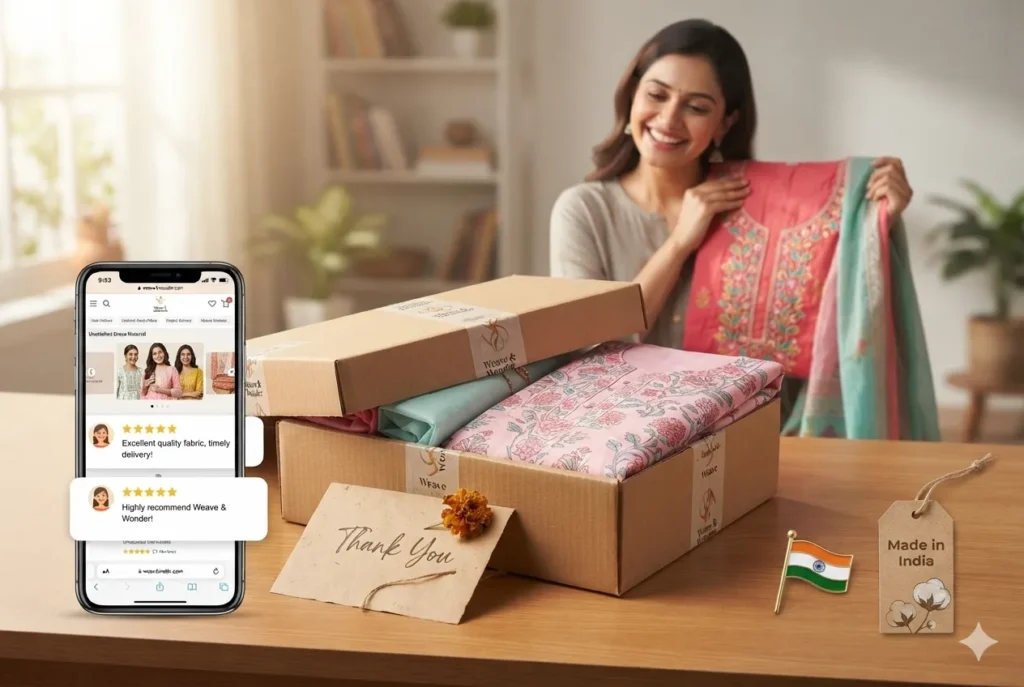
Choosing where to purchase your unstitched dress material matters. The online marketplace offers countless options, but not all deliver on their promises. We have built our reputation on principles that directly benefit you as a customer.
We personally vet fabric quality before listing any product, ensuring that what you receive matches what you saw on screen. Our product descriptions are written with genuine detail — fabric composition, washing instructions, exact dimensions, and styling suggestions that reflect real product characteristics rather than generic marketing text. Our photography captures true colours under natural light because we understand how disappointing it is to receive fabric that looks different from its online image.
We ship across India with reliable logistics partners who handle fabric with care, ensuring your dress material arrives in pristine condition ready for the tailor. Our pricing is honest — quality fabric at fair price points without inflated margins that fund excessive advertising. When you shop with us, you are choosing a store that treats fabric with the respect it deserves and customers with the transparency they deserve.
Shipping, Delivery, and the Unboxing Experience
When you order dress material online from our store, your fabric is carefully folded, protected in secure packaging, and shipped with tracking information you can monitor from dispatch to doorstep. We deliver across India, reaching metropolitan cities, tier-2 towns, and rural addresses with equal commitment.
Delivery timelines vary by location but typically fall within standard ecommerce shipping windows, and we communicate any delays proactively. Each shipment is insured against damage during transit, though our packaging standards minimise this possibility. If you ever receive a product that does not meet your expectations, our customer support team is available to address concerns directly, without automated responses or frustrating phone trees. We believe that customer satisfaction extends beyond the purchase, encompassing the entire experience from website browsing to unboxing. Explore our complementary categories including Dupattas for standalone pieces that elevate existing suits, and Fancy Naqab for modest wear accessories that complete your ethnic ensemble.
Frequently Asked Questions About Unstitched Dress Material
- What exactly is included in an unstitched dress material set?
- A standard unstitched dress material set from our store includes fabric for the top or kameez (typically 2.5 metres), fabric for the bottom or salwar (typically 2 to 2.5 metres), and a matching or contrasting dupatta (typically 2.25 to 2.5 metres). Some designer or premium sets may also include additional contrast fabric for necklines, sleeves, or borders. The exact measurements are always specified on each product page so you know precisely what you are receiving before ordering. This transparency helps you and your tailor plan the garment without fabric shortage surprises.
- How do I choose the right fabric for my body type?
- Fabric selection complements body proportions beautifully when done thoughtfully. Women with fuller figures often prefer fabrics with gentle drape like rayon and georgette that flow over curves without clinging. Structured fabrics like cotton and linen create clean lines that flatter athletic or straight body types. Petite women benefit from lightweight fabrics like cambric and fine cotton that do not overwhelm a smaller frame. The key is understanding that unstitched fabric gives you the freedom to select not just the design but the exact textile weight and drape that makes you feel most comfortable and confident.
- Can I return or exchange unstitched dress material if I do not like the colour?
- We encourage customers to carefully review product images, which are captured under natural lighting to represent true colours as accurately as possible. Returns and exchanges are governed by our clearly stated policies, which balance customer satisfaction with practical considerations regarding cut fabric. We recommend reading product descriptions thoroughly and contacting our customer support with specific questions about colour, texture, or dimensions before placing your order. For any genuine concerns upon delivery, our support team works with customers to find fair resolutions.
- What is the difference between printed and embroidered dress material?
- Printed dress material features designs applied to the fabric surface using techniques like screen printing, digital printing, or block printing. The design sits on the fabric and creates patterns through coloured dyes or pigments. Embroidered dress material features designs created by stitching threads, beads, sequins, or other materials directly onto the fabric surface. Embroidery adds texture, dimension, and often metallic shine that printed patterns cannot replicate. Printed fabric is generally more affordable, lighter in weight, and easier to maintain, while embroidered fabric offers premium aesthetic appeal suitable for special occasions. Both have their place in a well-rounded wardrobe.
- How much fabric does a tailor need for a standard salwar suit?
- A standard salwar suit for an average-height woman typically requires approximately 2.5 metres for the kameez or top, 2 to 2.5 metres for the salwar or bottom, and 2.25 to 2.5 metres for the dupatta. Taller women or those preferring longer kameez lengths or wider flares may need slightly more. Heavier women or those wanting extra gathers in the salwar might also benefit from additional bottom fabric. Our unstitched dress material sets are cut to generous standard measurements that accommodate most tailoring requirements, but we recommend discussing your specific design ideas with your tailor before cutting to ensure the fabric provided matches the envisioned silhouette.
- Is cotton dress material suitable for office wear in a corporate environment?
- Cotton dress material is absolutely suitable for office wear when selected in appropriate colours, prints, and finishes. Opt for cotton with a smooth, refined finish rather than heavily textured or rustic varieties. Select subtle prints — small motifs, fine stripes, or tone-on-tone patterns rather than bold, attention-grabbing designs. Stick to professional colours like whites, creams, muted blues, soft greys, and subtle pastels. Pair the stitched suit with structured accessories and polished footwear. A well-tailored cotton suit in quality fabric with restrained design elements projects competence and cultural confidence in any corporate setting.
- How do I know if the unstitched dress material online is of good quality before buying?
- Evaluating fabric quality online requires attention to several indicators. Examine product images closely, particularly close-up shots that reveal weave consistency, print clarity, and thread quality. Read descriptions for specific fabric composition percentages rather than vague terms like “soft fabric.” Look for details about pre-shrinking treatment, colour-fastness, and whether the fabric is pure or blended. Customer reviews provide real-world feedback about fabric feel, colour accuracy, and post-wash performance. Stores that provide detailed, transparent product information and maintain consistent quality standards help you shop with greater confidence even without physically touching the fabric first.
- What is the best way to store unstitched dress material before tailoring?
- Store unstitched dress material folded in a cool, dry, dark location. Direct sunlight fades colours over time, even through window glass. Humidity encourages mildew growth, particularly on natural fibres like cotton and silk. Avoid storing fabric in plastic bags for extended periods as plastic traps moisture and can cause yellowing. Instead, wrap in clean cotton or muslin cloth, which allows the fabric to breathe while protecting it from dust. Keep different coloured fabrics separated, as dyes from deeply coloured fabrics can transfer to lighter ones under pressure. For expensive or delicate fabrics, acid-free tissue paper between folds provides additional protection. These simple storage practices preserve your dress material in perfect condition until you are ready to visit the tailor.
- Can I wash embroidered dress material at home?
- Heavily embroidered dress material should be professionally dry cleaned to protect the thread work, embellishments, and base fabric. Home washing, even careful hand washing, risks thread snagging, sequin tarnishing, bead loosening, and dye bleeding from embroidery threads into the base fabric. Lightly embroidered cotton pieces with simple thread work might tolerate gentle hand washing in cold water with mild detergent, but this should be attempted only after testing a small, inconspicuous area. Given the investment embroidered dress material represents, professional dry cleaning is the safest and most recommended care method. Always communicate with your dry cleaner about specific stains or concerns so they can apply appropriate treatment.
- How long does delivery take, and do you ship to my city?
- We ship to addresses across India, including major metropolitan areas, smaller cities, and rural locations. Standard delivery timelines vary by destination, with metro deliveries typically faster than remote area deliveries. Each order receives a tracking number that allows you to monitor shipment progress from our facility to your doorstep. We partner with reliable logistics providers who understand the importance of careful fabric handling. Delivery estimates are provided during checkout based on your specific pin code, and we communicate proactively if any unexpected delays arise. Our goal is to ensure your dress material reaches you in perfect condition within the promised timeframe.
Begin Your Creative Journey with Us
Every piece of unstitched dress material represents a creative opportunity waiting to unfold. Whether you are preparing for a wedding, refreshing your daily wardrobe, selecting a gift for someone special, or simply treating yourself to the pleasure of beautiful fabric, we are here to serve you with quality, honesty, and genuine care.
Our collection spans the complete spectrum of Indian ethnic wear fabrics — breathable cottons for summer afternoons, flowing georgettes for evening celebrations, intricately embroidered silks for milestone moments, and printed dress materials that bring art to everyday life. We invite you to browse our complete range, read the detailed descriptions, examine the photographs, and make your selections with confidence.
When your chosen fabric arrives, take it to your trusted tailor, discuss your vision, and experience the singular satisfaction of wearing a garment created exactly for you. That is the promise of unstitched dress material — and our commitment to you. Start exploring today and transform fabric into fashion that is unmistakably, beautifully yours.
Explore our latest Unstitched Dress Material collection and find the perfect fabric for every occasion.